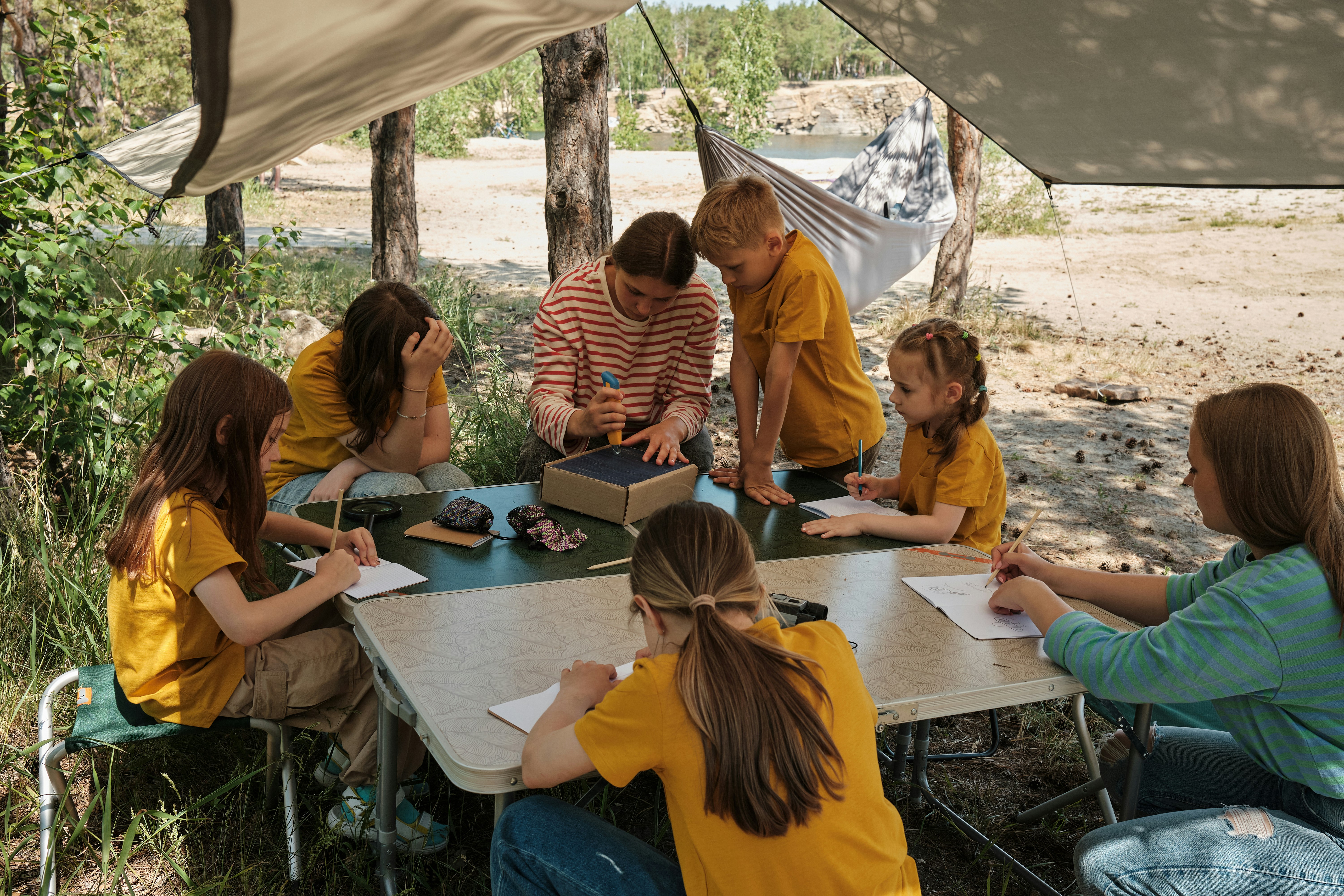
Coverage Considerations for Faith-Based Camps: What Directors, Churches, and Parent Partners Should Know
Faith-based camps offer transformative experiences—friendship, adventure, belonging, spiritual formation, and confidence-building. Whether operated directly by a church or partnered through another ministry, camps carry a shared responsibility to protect young people and support the adults who care for them. Directors, church leaders, and parents each play a meaningful role in shaping safe and steady camp environments.
Coverage is one part of that shared responsibility. When leaders understand what protections are needed, who they support, and how to plan ahead, the entire camp community benefits.
Why Do Faith-Based Camps Require Specialized Coverage?
Camps operate differently from weekly ministries. They involve extended time away from home, recreation-heavy environments, outdoor settings, and overnight stays—all of which bring unique responsibilities. The structure, location, and activities of each camp can influence what kind of coverage is helpful.
These settings benefit from protection that reflects the realities of camp life: activity risk, staff and volunteer roles, transportation needs, and the presence of minors in varied environments. When these elements are understood clearly, planning feels manageable rather than overwhelming.
What Should Camp Directors Understand About Core Coverage Needs?
Camp directors lead day-to-day operations and often coordinate staff, volunteers, facilities, and programming. With so much activity happening at once, understanding the foundation of camp coverage supports steady leadership.
Many directors review coverage related to general liability, property protection, camper accident support, and abuse prevention considerations. These areas help ensure that, if something unexpected occurs, directors have the support they need to respond with clarity and care. Strong coverage doesn’t replace wise planning—but it does reinforce it.
How Should Churches Support Camps They Oversee or Partner With?
Churches frequently participate in camp life by sending students, commissioning volunteers, hosting fundraisers, or managing the camp directly. Clear communication between churches and camp leadership helps reduce confusion and ensures the responsibilities of each group are understood.
Churches may support camps by:
Reviewing screening and training procedures for staff and volunteers
Clarifying their role in supervision, transportation, or communication
Ensuring coverage aligns with church-sponsored activities
Sharing expectations with parents early and clearly
This partnership helps families feel confident and keeps ministry teams aligned.
What Do Parents Need to Know About Camp Safety and Coverage?
Parents primarily want reassurance that their children will be cared for in a safe, well-supervised environment. While they don’t need to understand every detail of coverage, transparency helps them feel included and supported. Communicating about staff training, supervision expectations, medical procedures, and emergency planning reassures families that safety is taken seriously.
Clear communication builds trust between the camp, the church, and the families they serve.
How Can Camps Strengthen Camper Experience Through Clear Procedures?
Campers thrive when environments feel predictable and caring. Establishing routines for supervision, communication, behavior expectations, transportation, and emergency response helps build stability. When leaders and volunteers understand their responsibilities, campers feel supported and safe. Clear procedures allow young people to focus on joy, community, and spiritual growth.
Creating Safe, Meaningful Camp Experiences Together
Faith-based camps play a special role in ministry life. They combine outdoor experiences, spiritual formation, and community-building in ways that shape young people for years to come. Thoughtful planning and appropriate coverage help ensure those experiences remain safe, meaningful, and joy-filled. 1225 United supports ministries and camps by helping leaders understand coverage needs and create environments where safety and mission work hand-in-hand.
FAQs About Faith-Based Camp Coverage
Do all camps need specialized coverage?
Many do. Camps include activities and environments that differ from weekly ministries and often require additional support.
Should volunteers receive the same screening and training as staff?
Yes—consistent preparation helps keep everyone safe and confident.
What if a church sends students to a camp it doesn’t operate?
Clear communication between the church and camp leadership is key to supporting families well.
Are parents responsible for understanding coverage details?
Not usually. They mainly benefit from knowing the camp has strong safety practices and trained staff.
How often should camps review their policies and coverage?
A yearly review helps ensure that coverage and procedures match current activities and responsibilities.
If you’d like help reviewing or strengthening your camp’s coverage, contact 1225 Program Director, Amanda Ostrowski for supportive, ministry-centered guidance.


